
Expert Recovery Support for Ligament & Joint Injuries
Medically-grade orthopedic supports designed by healthcare professionals to provide stability, reduce pain, and accelerate your recovery journey.
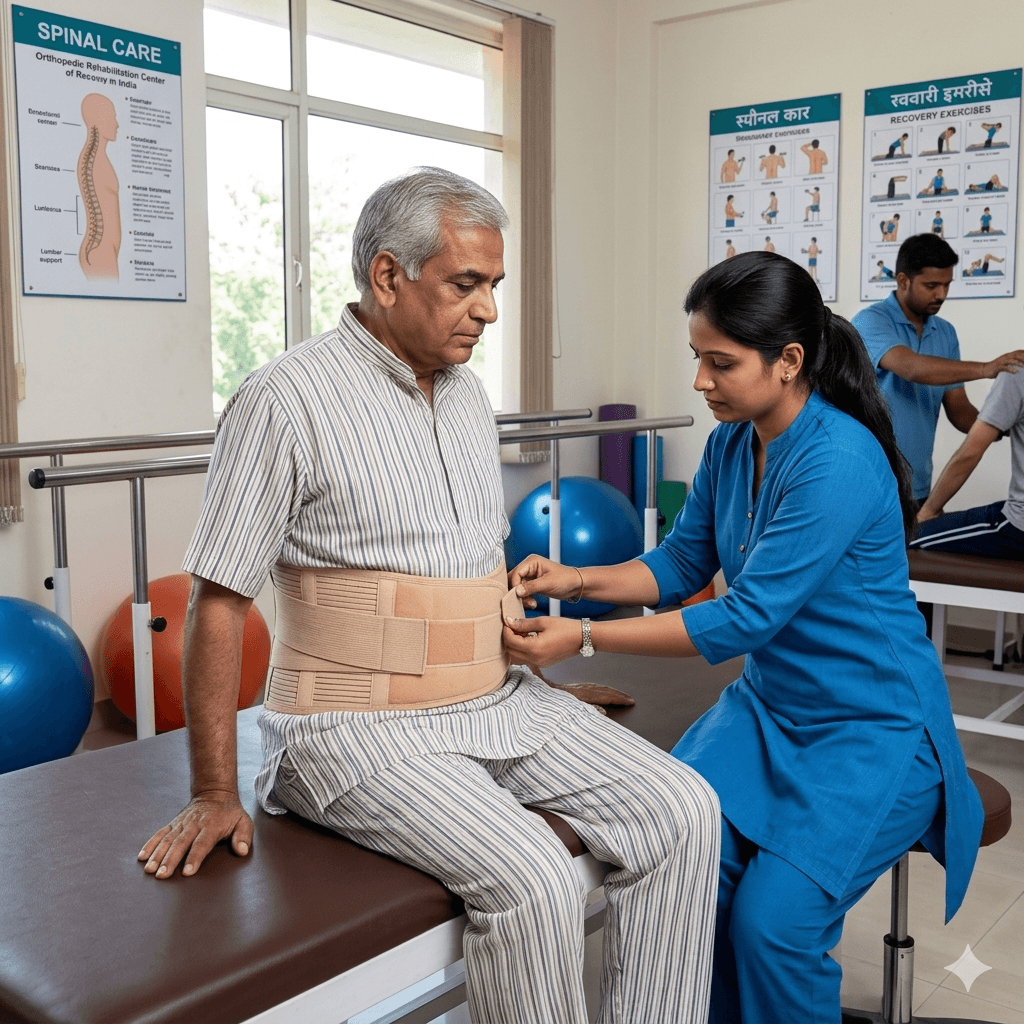
Common Symptoms of Ligament & Joint Injuries
Swelling & Inflammation
Localized swelling around the affected joint, often accompanied by warmth and tenderness.
Joint Instability
Feeling of the joint giving way or being unable to support normal weight or pressure.
Pain While Walking
Sharp or dull pain during weight-bearing activities, especially when walking or standing.
Restricted Movement
Limited range of motion, difficulty bending or straightening the affected joint.
Your Roadmap to Safe Recovery
Proper support during the recovery phase is crucial for optimal healing and preventing re-injury. Here's what you need to know:
Immediate Care (First 48-72 Hours)
- Rest: Avoid putting weight on the injured area
- Compression: Use medical-grade supports to reduce swelling
- Elevation: Keep the injured area elevated when resting
Professional Tip
The right support level depends on injury severity. Grade 1 sprains may need light compression, while Grade 2-3 require immobilization.
Recovery Phase (Days 4-14)
Gradual introduction of movement with proper support helps maintain muscle strength while protecting healing ligaments.
Quick Recovery Checklist
- ✓ Proper medical diagnosis
- ✓ Correct support level
- ✓ Gradual mobility exercises
- ✓ Regular icing schedule
- ✓ Adequate rest periods
Orthopedic Supports for Your Recovery
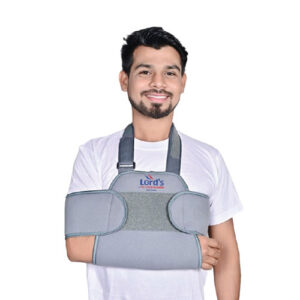
Lord's Activeguarde Universal Shoulder Immobilizer
Product Feature Two-piece design offers effective immobilization of the arm…
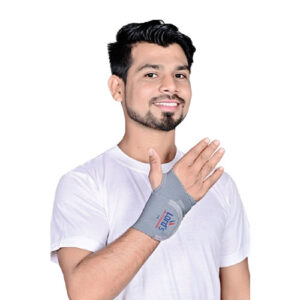
Lord's Activeguard Wrist Brace with Thumb
Product Feature Maintains wrist in dorsiflexion for proper alignment. Removable…
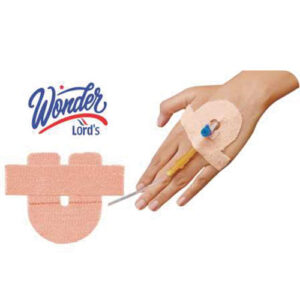
Lord's Wonder Cannula Fixator
Product Feature Securely anchors IV cannulas and catheters, minimizing movement…
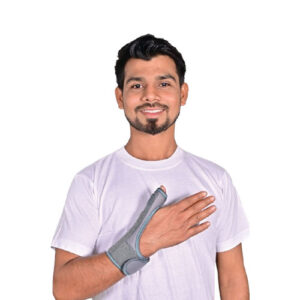
Lord's Activeguard Thumb Spica Splint Universal
Product Feature Removable, malleable splint allows for customized thumb abduction.…
Your Recovery Journey
Rest Phase
Days 1-3: Complete rest with proper support
Compression
Days 3-7: Active support with medical-grade compression
Support
Weeks 2-4: Protected movement with adjustable supports
Gradual Mobility
Weeks 4-6: Progressive activity with preventive support
Recovery
Weeks 6+: Return to normal activity, continued protection
Frequently Asked Questions
The support level depends on your injury severity. Grade 1 sprains typically respond well to compression sleeves, while Grade 2-3 injuries may require rigid supports or immobilizers. We recommend consulting with a healthcare professional for proper diagnosis.
This depends on the type of support and your specific injury. Light compression sleeves are often safe for overnight wear, while rigid braces should typically be removed during sleep unless specified by your doctor. Always follow medical advice for your specific condition.
Recovery time varies by injury. Most sprains benefit from 2-6 weeks of support, gradually reducing usage as healing progresses. Continue using support during physical activities for additional protection even after initial recovery.
Many insurance plans cover medically necessary orthopedic supports. We provide detailed receipts and documentation to support insurance claims. Check with your provider for specific coverage details.