
Expert Recovery Support for Knee Pain & Ligament Injuries
Whether you are recovering from an ACL tear, MCL sprain, meniscus injury, or chronic knee pain, our medically-grade knee pain support belts and knee braces are designed by healthcare professionals to reduce swelling, restore stability, and accelerate healing. Find the best knee brace after injury and the right knee cap for pain relief — backed by clinical expertise and trusted by orthopaedic specialists for knee ligament recovery support.
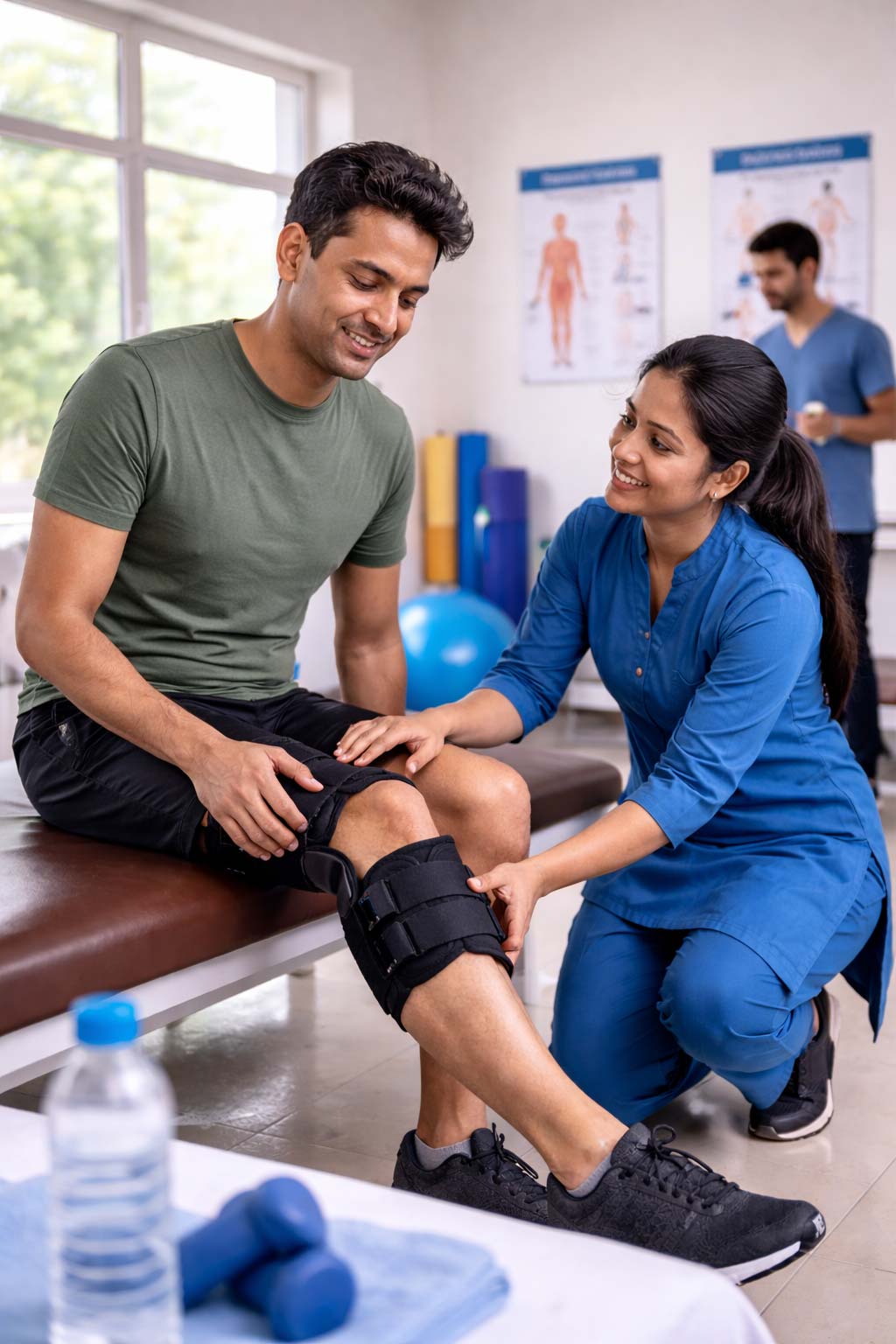
Common Symptoms of Knee Pain & Knee Injuries
Knee Swelling & Inflammation
Visible puffiness and localised warmth around the knee joint, often a sign of ACL, MCL, or meniscus damage requiring immediate support.
Knee Instability
A feeling that the knee is buckling or giving way under weight, commonly associated with ligament sprains and tears in the ACL or MCL.
Pain While Walking or Climbing Stairs
Sharp or aching knee pain triggered by weight-bearing movement, particularly noticeable when going up or down stairs or rising from a seated position.
Difficulty Bending or Straightening the Knee
Stiffness and a restricted range of motion that makes it hard to fully flex or extend the knee, often caused by swelling, cartilage damage, or ligament injury.
Your Roadmap to Knee Pain Recovery
Using the right knee ligament recovery support from the moment of injury can dramatically improve your healing outcome. Here is what orthopaedic professionals recommend at each stage:
Immediate Care (First 48–72 Hours)
- Rest: Avoid all weight-bearing on the injured knee to prevent further ligament stress
- Compression: Apply a knee pain support belt or compression sleeve to reduce swelling and stabilise the joint
- Icing: Ice the knee for 15–20 minutes every 2–3 hours during the first 48 hours
- Elevation: Keep the leg raised above heart level while resting to minimise fluid accumulation
Professional Tip
The correct brace type depends on injury grade. A minor sprain may only need a knee cap for pain relief, while ACL or MCL tears typically require a hinged or immobilising knee brace. Always get a confirmed diagnosis before choosing your support.
Recovery Phase (Days 4–14)
Begin controlled, limited movement with your knee brace after injury in place. Gentle range-of-motion exercises under physiotherapy guidance help maintain muscle tone while the ligament heals. Continue using a knee support belt throughout daily activity to prevent re-injury.
Quick Knee Recovery Checklist
- ✓ Get a proper orthopaedic diagnosis
- ✓ Fit the right knee brace or support belt
- ✓ Ice and elevate in the first 48 hours
- ✓ Follow physiotherapy exercises
- ✓ Gradually increase activity with support
Knee Supports for Your Recovery
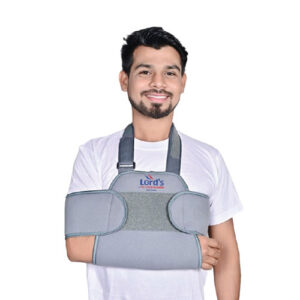
Lord's Activeguarde Universal Shoulder Immobilizer
Product Feature Two-piece design offers effective immobilization of the arm…
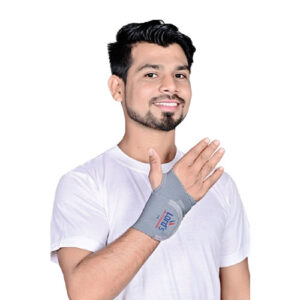
Lord's Activeguard Wrist Brace with Thumb
Product Feature Maintains wrist in dorsiflexion for proper alignment. Removable…
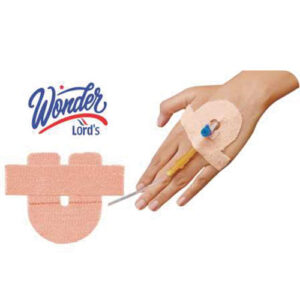
Lord's Wonder Cannula Fixator
Product Feature Securely anchors IV cannulas and catheters, minimizing movement…
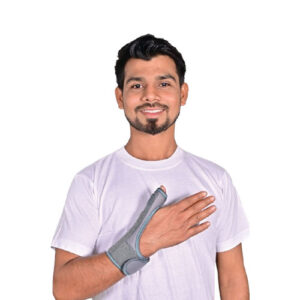
Lord's Activeguard Thumb Spica Splint Universal
Product Feature Removable, malleable splint allows for customized thumb abduction.…
Your Knee Recovery Journey
Injury & Rest
Days 1–3: Complete rest, icing, and immediate knee immobilization
Compression & Support
Days 3–7: Apply knee pain support belt to manage swelling and stabilise the joint
Controlled Walking
Weeks 2–3: Short, supported walks with hinged knee brace for ligament protection
Strength Recovery
Weeks 3–6: Physiotherapy exercises to rebuild quad and hamstring strength with knee support
Return to Activity
Weeks 6+: Resume normal activity with a knee cap or support belt for ongoing protection
Frequently Asked Questions
The best knee brace after injury depends on the severity of the damage. For Grade 1 sprains, a compression knee cap or sleeve is often sufficient. For Grade 2–3 ACL or MCL injuries, a hinged knee brace is recommended as it controls lateral movement while allowing safe flexion. Post-surgery cases typically require a knee immobilizer during the initial weeks. Always confirm your brace choice with an orthopaedic specialist or physiotherapist.
For most knee ligament sprains, a knee pain support belt should be worn consistently for 3–6 weeks depending on injury grade. During the early phase, wear it throughout the day except while sleeping. As healing progresses, you can limit usage to physically active periods. Many patients continue wearing a knee support belt during sports or strenuous activities for several months after recovery to prevent re-injury.
Yes, most knee braces and support belts are designed to allow controlled walking during the recovery phase. A hinged knee brace permits a safe range of motion while protecting the ligaments, making it suitable for walking from Week 2 onwards in most cases. Avoid prolonged standing or walking in the first 72 hours. Always follow your doctor's or physiotherapist's specific guidelines regarding weight-bearing activity for your injury type.
Yes, a knee cap is very effective as a knee cap for pain relief in cases of mild arthritis, patellar pain, minor sprains, and general knee discomfort. It provides gentle compression that reduces swelling, improves blood circulation, and stabilises the kneecap during movement. A knee cap is especially useful for daily wear, office use, and low-intensity activity. For more serious ligament injuries, a structured brace or immobilizer is typically more appropriate.
Explore More Recovery Guides
Back Pain Recovery Guide
Lower back strain, lumbar support, and spinal recovery
Read Guide →Neck & Cervical Support
Whiplash, cervical spondylosis, and posture correction
Read Guide →Ankle Injury Guide
Ankle sprains, strains, and joint instability recovery
Read Guide →Ligament & Joint Injury Guide
General ligament sprains, joint pain, and orthopaedic recovery
Read Guide →